
Where Is the Next Growth Opportunity in the Home Care Industry? 0 (0)

The home care industry is changing quickly. For many years, growth came from scale, distribution, promotions, and shelf presence. Those factors still matter, but they are no longer enough on their own. Today, the brands that grow are the ones that understand how people really live and what they expect from home care products.

Consumers are busier than before. Homes are often smaller. Routines are tighter. As a result, people want cleaning products that are practical, easy to use, and effective without adding extra work. That shift is opening new opportunities across the home care market.

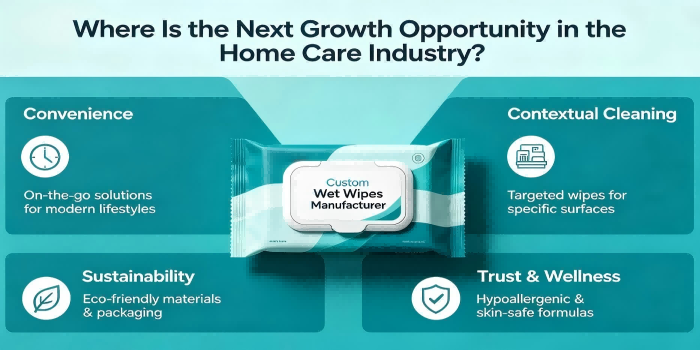
Convenience Is Becoming a Core Need

One of the clearest trends in home care is the growing importance of convenience. Consumers no longer choose a product only because it cleans well. They also care about how fast it works, how easy it is to use, and whether it fits into everyday life.

This is one reason wipes continue to grow in importance. Products like disinfecting wipes, kitchen wipes, bathroom wipes, and multi-surface wipes offer a simple solution for busy households. They are easy to store, easy to carry, and ready to use when needed.

For many consumers, convenience is not a bonus anymore. It is part of the decision.

People Shop by Situation

Another major change in the home care industry is the rise of scenario-based shopping. Instead of looking for one product that can do everything, consumers are choosing products for specific tasks.

A person may want something for kitchen grease, another for bathroom hygiene, and another for baby-safe surfaces. Pet owners may look for odor control, while other households may want fragrance-free or sensitive-skin options.

This is creating more room for targeted products such as:

  • Multi-surface cleaning wipes.
  • Antibacterial wipes.
  • Eco-friendly wipes.
  • Private label wipes.
  • Surface care products designed for specific rooms or uses.

Brands that solve a clear problem often build stronger trust and stronger repeat purchase behavior.

Sustainability Is Now Part of the Expectation

Sustainability has become a much bigger factor in home care. More consumers now look for recyclable packaging, plant-based formulas, biodegradable materials, and lower-waste formats. What used to be a differentiator is becoming an expectation.

This creates both pressure and opportunity for home care brands. They need to improve their environmental profile while still delivering strong performance and reasonable prices. That is not always easy, but it is becoming essential.

The brands that succeed in sustainable home care are usually the ones that make sustainability feel practical, not complicated.

Trust Matters More Than Ever

In the past, premium home care brands could rely heavily on image and packaging. Today, consumers want more than that. They want to know whether a product is safe, effective, transparent, and worth buying again.

This is especially true in categories like disinfectant wipes, baby care wipes, and personal hygiene products. These items are often used in homes, around children, or on frequently touched surfaces, so trust matters a lot.

A strong brand in home care today is not just a brand with a nice look. It is a brand that delivers consistent results and communicates clearly.

Home Care Is Connected to Wellness

Cleaning is no longer seen only as a household task. For many consumers, it is closely linked to wellness, peace of mind, and comfort at home.

A clean home can feel more organized, calmer, and healthier. That emotional connection matters. It changes how people think about home cleaning products and why they choose one brand over another.

In this way, home care is becoming part of a broader lifestyle and wellness routine, not just a practical chore.

What This Means for Brands

The next growth opportunity in the home care industry is not just about launching more products. It is about creating products that fit modern routines, solve specific problems, and earn trust over time.

Brands that want to grow should focus on:

  • Clear use cases.
  • Sustainable packaging and materials.
  • Reliable performance.
  • Honest communication.

These are the qualities that make home care products more useful to consumers and more competitive in search.

Final Thoughts

The home care industry still has strong growth potential, but the winners will be different from the past. Consumers are looking for products that make life easier, cleaner, and more manageable.

That means the best opportunities are now in practical cleaning products, convenient wipes, sustainable home care solutions, and trusted household essentials. Brands that understand these changes will be better positioned to grow in a crowded market.

Gym Wipes: The Smart, Hygienic Choice for Modern Fitness Spaces 0 (0)

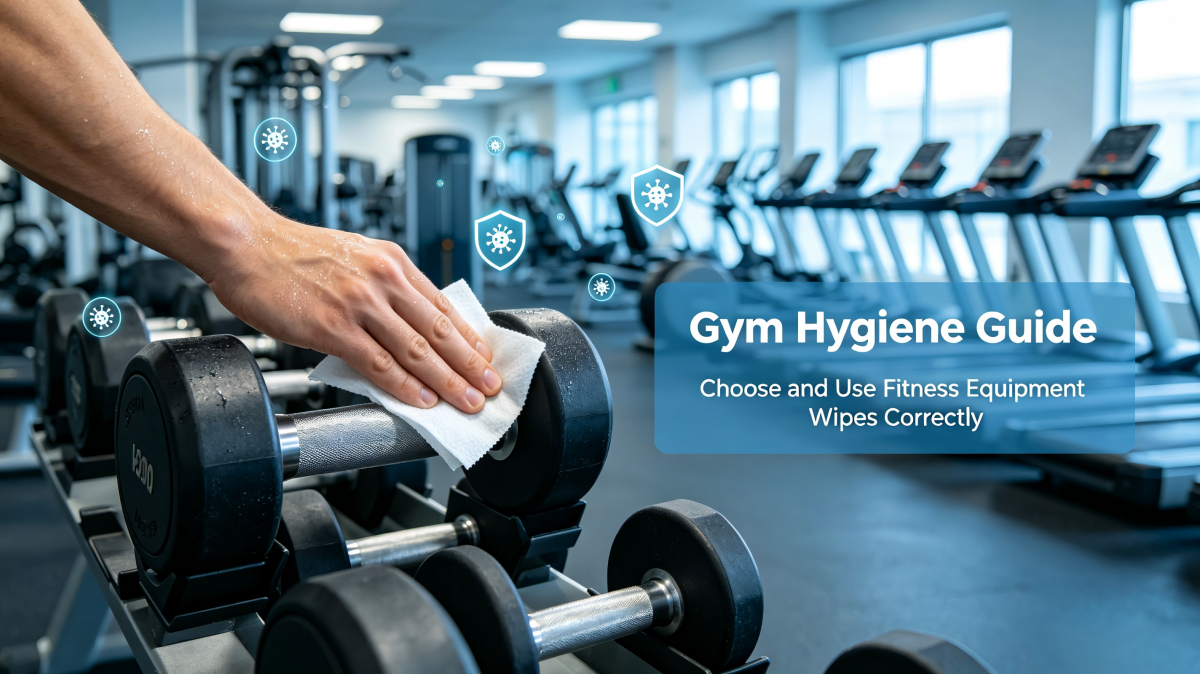
Gym wipes are one of those products people do not think about much until they need them. In a busy gym, fitness studio, or training facility, equipment gets touched all day long. Sweat, fingerprints, and dust build up fast, and staff need something they can use quickly without making cleanup more complicated than it already is.

That is where gym wipes make sense. They are simple, easy to place around the facility, and practical for everyday cleaning. For gyms, wellness brands, and distributors, the real value is not just in having a wipe on hand. It is in having a product that works well, fits the brand image, and can be customized for different business needs.

Why Gym Wipes Matter in Daily Use

Anyone who runs a fitness space knows that cleaning is not a once-a-day job. It happens between members, after classes, and often in short bursts throughout the day. A wipe has to be ready when staff or customers reach for it. If it tears too easily, feels too dry, or leaves residue behind, it quickly becomes something people stop using.

That is why many businesses look for fitness equipment wipes that are made for frequent use. A good wipe should be practical first. It needs to be thick enough to hold up, easy to dispense, and suitable for common surfaces like benches, treadmills, dumbbells, and machine handles. In real life, that matters more than fancy claims on the package.

What Makes a Better Gym Wipe

Not all wipes are equal, even if they look similar on paper. In daily use, small details matter. A wipe that feels too thin or too wet can create complaints. A wipe that does not dispense cleanly can slow down staff. A wipe that looks cheap can weaken the overall brand image.

A better fitness wipe usually has these qualities:

  • Strong enough to handle everyday cleaning.
  • Easy to use in fast-moving environments.
  • Suitable for common fitness equipment.
  • Professional-looking packaging.
  • Flexible order options for commercial buyers.

These details sound simple, but they are often what separate a product people keep using from one that gets ignored.

Custom Gym Wipes for Brand Owners

As a wet wipes custom manufacturer, we understand that many buyers want more than a standard product. They want custom gym wipes that fit their brand, their customers, and their sales channel. For some, that means private label gym wipes with a clean, retail-ready look. For others, it means bulk packaging for commercial facilities or a specific format for distributor use.

Customization can include:

  • Custom logo printing.
  • Private label packaging.
  • Different sheet sizes or count per pack.
  • Formula options for different cleaning needs.
  • Packaging styles that fit retail or commercial use.
  • Brand colors and design that match your product line.

This is often where a product becomes more useful in the market. A gym wipes product that looks generic may work fine, but a branded version feels more complete and easier to position.

Why Customization Changes the Product

For buyers in fitness, branding is not just visual. It affects trust. A clean, well-designed pack placed at the front desk or inside a studio immediately feels more professional than a plain, unbranded solution. That is one reason branded gym wipes and custom packaging are becoming more important for businesses that want to stand out.

There is also a practical side to customization. A boutique studio may want smaller packs for limited counter space. A gym chain may want larger bulk formats for daily cleaning. A distributor may want packaging that is easy to ship and display. The best solution is not always the same for every customer, which is why flexible manufacturing matters.

Closing Thoughts

As a custom wet wipes manufacturer, we know buyers are not looking for complicated solutions. They want gym wipes that work in real conditions, fit their brand, and can be supplied consistently. That is why details like packaging, size, and private label support matter as much as the wipe itself.

Whether you need bulk gym wipes, custom packaging, or a private label fitness wipe for your own brand, the right product should feel practical from the first use. It should look professional, clean well, and fit naturally into the daily rhythm of a gym or studio.


1.https://thecleaningstation.com/blog/best-wipes-for-gym-equipment/
2.https://zogics.com/product-guide-library/ecofriendly-gym-wipes-do-sustainable-options-actually-work/
3.https://wipex.co/blogs/library/eco-friendly-gym-wipes-the-sustainable-choice-for-a-cleaner-healthier-workout-space
4.https://knowagency.com/eeat-ymyl-wellness-health-content/
5.https://storage.googleapis.com/google-code-archive-downloads/v2/code.google.com/vimim-wubi/vimim_wubi.txt
6.https://www.performancehealth.com/gymwipes-professional
7.https://www.wowwipes.com.au/going-green-in-your-gym-how-biodegradable-wet-wipes-can-elevate-your-cleanliness-standards-and-your-gym/
8.https://www.eway-crm.com/blog/sales-marketing/information-is-now-a-commodity-google-is-focused-on-e-e-a-t-and-we-can-see-why/

Rinse-Free Bathing Wet Wipes: The Hygiene Revolution You’ve Been Missing 0 (0)

Rinse-free bathing wet wipes go beyond convenience—they’re a game-changer for clean, no-residue personal hygiene. No water, no soap scum, no cleanup. These pre-moistened wet wipes deliver deep cleansing and refreshing spa vibes in one easy wipe. This guide breaks down why they’re essential, how to pick the best for seniors or bedbound users, and tips from our factory-floor expertise.

Why Rinse-Free Bathing Wet Wipes Beat Traditional Bathing

Traditional baths demand water, time, and mobility—hurdles for 10% of adults over 65 with limitations (CDC data). Rinse-free bathing wet wipes change that: pre-saturated with gentle cleansers, emollients, and soothers for instant clean, hydrate, and deodorize.

In our advanced facilities, we’ve customized batches for worldwide hospitals, perfecting pH-balanced formulas (around 5.5) to match skin’s natural acidity and avoid dryness. Skip soggy sponge baths; our textured wet wipes exfoliate gently without scrubbing.

Top Benefits of No-Rinse Bathing Wet Wipes for Everyday Use

  • Ultra-Fast Cleaning: Full-body refresh in under 10 minutes—ideal for caregivers of the elderly or post-surgery patients.
  • Skin-Safe Power: Hypoallergenic with aloe and vitamin E, slashing infection risk by 40% (Journal of Wound Care trials).
  • Portable & Green: Biodegradable custom options reduce plastic waste 30% vs. sponges.

Our 20-year data shows a 250% demand spike post-pandemic (Nielsen), making hygiene foolproof.

Biokleen’s Pro Checklist for the Best Rinse-Free Bathing Wet Wipes

Tested across brand supply experience, here’s how to choose:

Pair with Biokleen’s dual-texture wet wipes for bedbound care—smooth for face, ridged for body, loofah-like without water.

Real-World Wins: Hospitals to Home

Partnered nursing homes cut bathing time 60% and satisfaction soared. Travelers stash them in carry-ons; Quick cleaning is often used for people without water or with limited mobility.

Myths Busted by 20 Years of Wet Wipes Innovation

  • Myth: Not thorough. Fact: 98% oil removal, shower-level.
  • Myth: Harsh. Fact: Gentle for sensitive skin.
  • Myth: Bad for planet. Fact: Biodegrades in 90 days.

Customize with Biokleen’s Wet Wipes Expertise

Leverage our 20 years: private label, bulk, or branded rinse-free bathing wet wipes tailored to you.

Contact us for custom wet wipes solutions trusted by industry leaders.


Last updated: April 2026. Sources: CDC, Nielsen, Journal of Wound Care, Biokleen ASTM/ISO tests.

The Surge in Flushable Moist Toilet Tissue: Market Trends and Strategic OEM/ODM Manufacturing Insights 0 (0)

The Surge in Flushable Moist Toilet Tissue: Market Trends and Strategic OEM/ODM Manufacturing Insights

In the evolving landscape of personal care, consumer preferences are shifting rapidly toward products that combine hygiene, skin health, and environmental responsibility. Among these, flushable moist toilet tissue has emerged as a dominant category. No longer a niche luxury, these wipes are becoming a staple in modern households worldwide.

For retailers, private label brands, and distributors, understanding this shift is crucial. As a premier OEM & ODM manufacturer of wet wipes, Biokleen is at the forefront of this transformation, providing the technical expertise and production scale necessary to help businesses capitalize on this booming market.

Why Moist Toilet Tissue is Redefining Personal Hygiene

The transition from traditional dry paper to moist toilet tissue is driven by a fundamental change in how consumers perceive “cleanliness.” Here are the four primary drivers of this market trend:

1. Superior Hygiene and Cleaning Efficacy

Dry toilet paper often fails to provide a thorough clean, frequently leaving behind residue or bacteria. Moist toilet tissue, formulated with skin-safe cleansing agents, offers a significantly more effective solution.

From a market insight perspective, there is a growing demand for “deep-clean” products. Consumers—particularly families, the elderly, and those with specific medical needs—are looking for the freshness that only a wet wipe can provide. Biokleen’s R&D team specializes in creating formulations that balance effective cleaning with microbial safety, ensuring your brand delivers a premium hygiene experience.

2. The Shift Toward “Skin-First” Care

Modern consumers are increasingly “skintellectuals,” applying the same care to their body hygiene as they do to facial skincare. Traditional paper can be abrasive, leading to micro-tears or irritation.

Flushable wet wipes offer a soothing, non-irritating alternative. By incorporating ingredients like Aloe Vera, Vitamin E, or Chamomile, brands can position their products as “dermatologically tested” or “pH-balanced.” Through our OEM services, Biokleen helps you develop custom formulas tailored to sensitive skin, giving your brand a competitive edge in the wellness space.

3. Sustainability: The Rise of Biodegradable Flushable Wipes

The “Green Consumerism” movement has hit the hygiene industry hard. There is significant scrutiny regarding the “flushability” of wipes and their impact on marine ecosystems.

To meet standards for environmental responsibility, Biokleen utilizes advanced plant-based fibers and biodegradable materials. Our flushable moist toilet tissue is engineered to break down quickly after flushing, meeting international flushability standards (such as EDANA/INDA). Offering eco-friendly, plastic-free solutions is no longer optional—it is a prerequisite for brand trust in 2024 and beyond.

4. Portability and the “On-the-Go” Lifestyle

As travel and active lifestyles resume, the demand for travel-sized, discreet, and convenient packaging has surged. Moist toilet tissue provides a level of versatility that dry paper cannot match, serving as a multi-purpose tool for travel, gym use, and outdoor activities.

Strategic OEM & ODM Solutions: How Biokleen Empowers Your Brand

Entering the personal care market requires more than just a product; it requires a partner with technical mastery and a robust supply chain. Biokleen provides a comprehensive suite of services to take your brand from concept to shelf.

  • Custom Formulation and Ingredient Innovation

Our OEM services allow you to dictate the “DNA” of your product. Whether you want a luxury scented wipe or a hypoallergenic, fragrance-free formula for medical-grade use, our laboratory experts can develop a proprietary blend that distinguishes your brand from generic competitors.

  • Full-Service ODM: From Research to Design

If you are looking to launch a brand from scratch, our ODM (Original Design Manufacturer) capabilities provide a turnkey solution. This includes:

1.Market Research: Identifying gaps in your local market.

2.Packaging Design: Creating ergonomic and visually appealing packaging that ensures moisture retention.

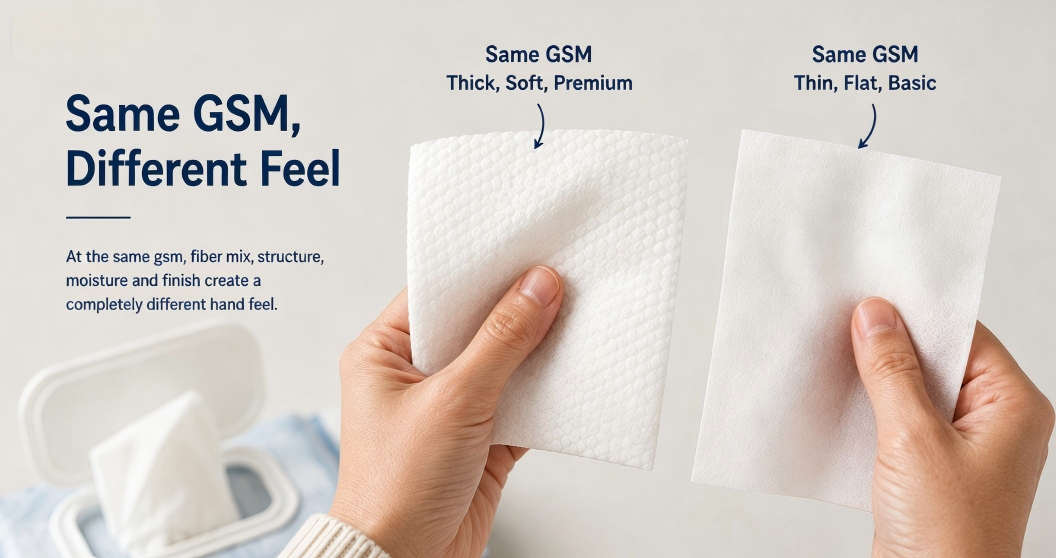
3.Material Selection: Choosing the right GSM (thickness) and texture for the wipes.

  • Certified Quality and Global Compliance

Trust is built on quality. Biokleen operates under strict international quality management systems. Our manufacturing facilities are equipped with high-speed automated production lines that ensure consistency, hygiene, and safety in every pack. We help our partners navigate the complex regulatory landscapes of different regions, ensuring all flushable wipes meet local safety and environmental certifications.

  • Scalable Supply Chain for Global Distribution

Whether you are a startup looking for small-batch private labels or a multinational wholesaler requiring high-volume production, Biokleen offers the flexibility to scale. Our efficient logistics network ensures timely delivery, helping you maintain a consistent “in-stock” status in a fast-moving retail environment.

Conclusion: Partner with a Leader in Wet Wipe Manufacturing

The growth of the moist toilet tissue market represents a significant opportunity for businesses to provide value through better hygiene, comfort, and sustainability. By partnering with an experienced manufacturer like Biokleen, you gain access to world-class R&D, eco-friendly materials, and customized manufacturing solutions.

Ready to elevate your product line?
Contact us to discuss how our OEM & ODM flushable wipes solutions can help your business lead the way in the personal hygiene industry.

The “Ultra-Mini” Revolution: How Advanced Folding Technology is Redefining Portable Hygiene 0 (0)

In the global hygiene market, “portability” has undergone a massive transformation. No longer is it enough for a wipe to be small; it must now be ultra-compact, highly efficient, and perfectly packaged.

As a leading manufacturer of custom wet wipes, we are seeing a significant shift toward the 6-pack-in-a-bag (Ultra-Mini) configuration. This trend is driven by consumers who demand “zero-bulk” solutions for their pockets and small clutches. But what makes a high-quality mini wipe stand out in a crowded market?

Here is our professional guide on selecting the best mini wipes and how our unique manufacturing process sets the industry standard.

1. The Foundation: Fabric Specification & Skin Synergy

The quality of a mini wipe begins with the “Hand-feel.” When choosing a manufacturing partner, the fabric specifications are the first indicator of quality:

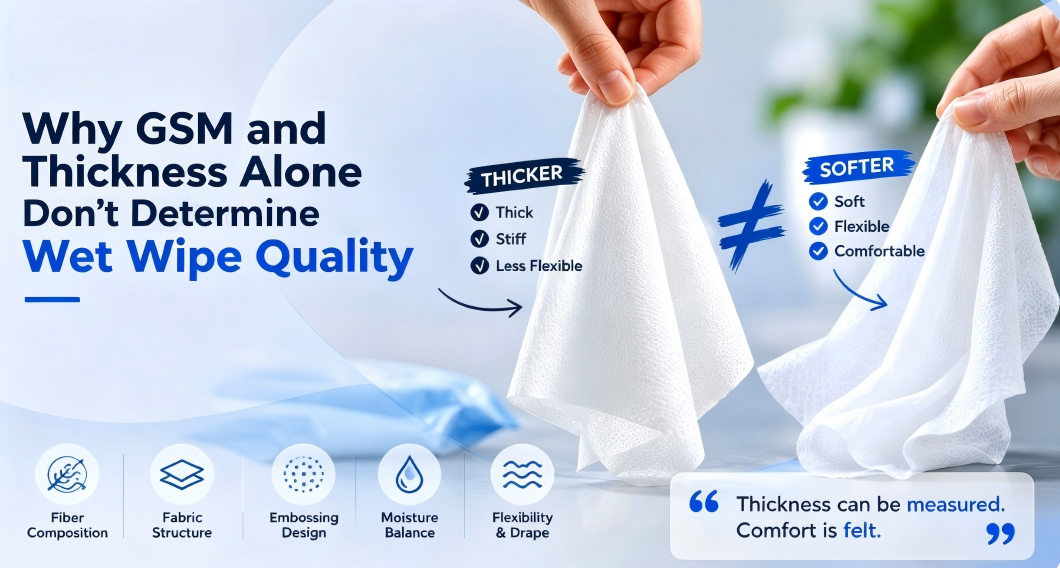
· GSM & Thickness: We utilize high-GSM (Grams per Square Meter) fabrics that ensure the wipe is thick enough to provide a barrier between the hand and the surface, without being unnecessarily bulky.

· Material Variety: From Spunlace Non-woven to Pure Cotton, the choice of fiber determines softness, durability, and absorbency. Our expert team helps brands select the right blend to ensure the wipes are tough on dirt but gentle on the skin.

2. The Visual Test: Packaging Fullness & Integrity

A common “expert secret” in the industry is to look at the pack’s physical state. A high-quality mini wipe pack should feel firm, tight, and plump.

· Moisture Retention: A tight, well-sealed pack ensures that the liquid remains evenly distributed across every sheet.

· Freshness Standard: If a pack feels loose or “hollow,” it often indicates poor sealing or air leakage, which leads to premature drying. Our precision-sealing technology ensures that our mini wipes remain fresh for the entirety of their shelf life.

3. Our Competitive Edge: The Art of the Ultra-Compact Fold

The core difference between our facility and standard manufacturers lies in our proprietary machine-folding process.

While many competitors struggle with bulky, irregular folds that result in “puffy” packaging, we have mastered a unique folding technique:

· Thinner, Smaller, Better: Our machines achieve a tighter, more orderly fold. This allows us to fit a full-sized sheet into a much smaller footprint. The result? A product that feels sturdier and is significantly thinner than the industry average.

· High-Speed Efficiency: This precision isn’t just about aesthetics; it’s about performance. Our automated folding lines operate at a higher capacity than standard machines, allowing us to offer superior scalability and shorter lead times for large-scale B2B orders.

4. The Rising Trend: 6-Pack Value Bags

The hottest trend in the retail and promotional sector is the “6-packs-per-bag” format.

· Consumer Convenience: Each individual pack is small enough for a pocket, while the outer 6-count bag provides a week’s worth of hygiene or a convenient multi-buy option for families.

· Brand Real Estate: This configuration offers more space for branding on the outer bag while maintaining the high utility of the individual mini packs inside.

Why Partner With Biokleen Wipes for Your Next Project?

Choosing a supplier is about more than just a product; it’s about manufacturing intelligence. By combining premium fabric selection with our specialized folding technology, we provide mini wipes that are:

1.More Portable: Taking up less space in bags and pockets.

2.Higher Quality: More “solid” feel with better moisture distribution.

3.Better Value: High-volume production capacity ensures competitive pricing for premium specifications.

Are you looking to launch an ultra-mini wipe line or upgrade your current hygiene offerings? [Contact us for your custom project] for a sample kit and see the difference our folding technology makes.

March Production Slots for Custom Wipes 0 (0)

After a cherished Spring Festival holiday, March feels like the perfect season for renewal.

Sourcing managers know that a reliable OEM partner is more than just a price tag—it’s about consistent quality and scalable capacity. 

As the Alibaba March Expo kicks off, Biokleen are opening exclusive slots for custom wet wipes projects. Whether it’s specialized ingredients or unique packaging sizes, our facility is ready to scale with you.

From alcohol-free baby wipes to high-durability gym wipes and eco-friendly pet wipes, our manufacturing lines are designed to deliver:

  • ✔ Stable bulk production capacity
  • ✔ Strict quality control & compliance support
  • ✔ Custom OEM / ODM formulation
  • ✔ Flexible packaging solutions
  • ✔ Fast lead times for growing brands

March is not just a promotion season — it’s when smart buyers lock in supply partners for the year ahead.

Contact us and Start your custom project: https://biokleenwipes.com/request-a-quote/

Flushable Wipes: Lab Success vs. Sewer Reality – The Truth About “Flushable” Claims in 2025 0 (0)

Flushable Wipes: Standard or Marketing Myth?

As demand surges and regulations tighten, the flushable wipes industry faces a critical reckoning.

Flushable wipes have exploded in popularity, promising convenience and hygiene for consumers worldwide.
Yet manufacturers, brands, and wastewater utilities are locked in growing conflict over fatbergs,
sewer clogs, and escalating maintenance costs.This raises a fundamental industry question:
Is “flushable” a meaningful performance standard — or merely a marketing label?This deep dive reveals three uncomfortable truths about flushable wet wipes,
and how forward-looking B2B suppliers like Biokleen are redefining
verified flushability for the future.

Truth 1: Lab Tests Don’t Equal Sewer-Ready Flushable Wipes

Most flushable wipes disintegration tests — including INDA’s FG502 guidelines —
simulate ideal conditions: controlled water flow, clean systems, and short timeframes.

A wipe may disperse perfectly in a beaker, yet fail catastrophically in real sewer networks,
where grease, hair, and debris combine to form fatbergs costing U.S. utilities
over $400 million annually.

The core disconnect is infrastructure reality. Municipal wastewater systems —
many over 50 years old — were never designed to handle synthetic or slow-dispersing fibers.
Even so-called “dispersible” nonwovens can generate drag, accumulation, and downstream blockages.

Truth 2: Blaming Consumers Masks a Design Failure

The industry’s default defense is familiar: consumers flush non-flushable wipes
or pour grease down drains. While partially true, this argument ignores a deeper issue.

If flushable baby wipes, intimate wipes, or makeup remover wipes only perform
under perfect laboratory conditions, the problem lies in materials science,
not consumer education.

From a B2B risk perspective, categories facing lawsuits and regulatory scrutiny
across the UK, Australia, and U.S. cities quickly become brand liabilities.
Progressive suppliers design for worst-case wastewater conditions,
not ideal scenarios.

Truth 3: Biodegradable ≠ Flushable

“Plant-based” and “biodegradable” flushable wipes sound sustainable,
but biodegradability — often measured over months — is fundamentally different
from flushability, which requires rapid dispersion within hours.

· Predictable degradation in low-oxygen, high-shear pipe environments

· No entanglement with FOG (fats, oils, grease)

· Verified performance through third-party wastewater testing

As the global flushable wet wipes market moves toward $5B+ by 2030,
only substrates meeting true flushability criteria will remain compliant
under tightening regulations.

The Regulatory Turning Point for Flushable Wipes

Regulators and wastewater authorities are no longer accepting lab-only claims.
EU policy discussions, U.S. wastewater guidelines, and municipal enforcement
are reshaping what “flushable” must legally and technically mean.

The industry is approaching a pivot point where verified system-level performance
becomes non-negotiable.

Biokleen’s Approach: Flushable as a Verified System Contract

At Biokleen, we’ve moved beyond slogans. We treat flushability
as a system-level engineering and verification challenge.

· Real-world validated flushable materials

· Fibers engineered for municipal sewer compatibility

· Binders designed to disperse under real pipe hydraulics

· INDA / EDANA-aligned testing — extended to wastewater conditions

· Transparent B2B data-sharing partnerships

Material Suppliers → Converters → Brands → Utilities
Shared data · Joint verification · Shared accountability

This approach supports future-proof compliance,
preempts EU flushability regulations,
aligns with U.S. wastewater utility expectations,
and enables plant-based flushable wipes that truly flush.

The Flushable Wipes Industry’s Pivot Point

Manufacturers should stop asking whether substrates are “flushable”
and start asking whether materials, test protocols, and communication frameworks
can withstand regulatory and infrastructure scrutiny.

Wastewater professionals should demand verified flushability certificates
backed by real pipe data — not lab screenshots.

Brands must recognize that “flushable” packaging is a system-level commitment,
not a marketing claim.

Key Takeaways

· The flushable wipes market will grow — but only verified solutions will survive.

· Lab success alone no longer defines flushability.

· System-level validation is becoming the new industry baseline.

Biokleen welcomes B2B collaboration on next-generation
flushable substrates and joint verification projects.
Contact us to start the conversation.

The Rise of the “Micro-Wipe”: Why Pocket-Sized Hygiene is the Next Big Retail Trend 0 (0)

In the evolving world of personal care, size creates value. For decades, the wet wipes industry was dominated by the “bulk” mentality—70 or 100-count packs designed for kitchen counters and nursery changing tables.

But have you ever tried stuffing a “brick” of wipes into a tailored suit jacket or a designer mini handbag? It doesn’t work.

At BIOKLEEN, we identified a critical gap between consumer lifestyle and product design. The result is the BIOKLEEN Mini Series: a shift toward “Spatial Intelligence” in hygiene. Here is why the market is pivoting to pocket-sized powerhouses and why your brand should be ready.


The Everyday Carry (EDC) Revolution

The modern consumer is mobile. Whether it is a business traveler moving between airports or a minimalist urban commuter, the demand for “On-the-Go Hygiene” has skyrocketed.

The concept of EDC (Everyday Carry) prioritizes items that are functional, compact, and aesthetically pleasing. Consumers no longer view wet wipes merely as cleaning tools; they view them as essential accessories. They demand products that fit seamlessly into:

  • Evening clutches and mini purses
  • Suit pockets and wallets
  • Gym kits and laptop bags

The Problem with Traditional Travel Packs
Standard “travel packs” (usually 10-20 count) are often still too bulky for modern fashion trends. They create unsightly bulges in pockets and lose moisture before the pack is finished. The market needed a true mini solution.


BIOKLEEN Mini Series: Defined by Design

Our Mini Series isn’t just a smaller version of a big pack; it is a ground-up redesign focused on the user experience.

  • Invisible Utility: Roughly the size of a credit card holder, these packs offer discrete portability.
  • The 8-Sheet Sweet Spot: Through consumer research, we found that 8 sheets are the perfect volume for a single day trip. This ensures the last wipe is as fresh as the first, eliminating the waste of dried-out bulk packs.
  • Premium Aesthetics: We moved away from the “medical” look. The Mini Series features pearl-patterned spunlace fabric and sleek packaging that looks at home next to high-end cosmetics.


Why Retailers and Buyers Are Betting on “Mini”

For procurement managers and retailers, the shift to mini wipes offers tangible business advantages. It is not just about cuteness; it is about shelf efficiency.

  1. High Impulse Purchase Rate: Placed at checkout counters (POS), the low price point and high utility make Mini Wet Wipes an effortless add-on for customers.
  2. Optimized Shelf Density: The Mini Series saves up to70%more space compared to traditional packs. This allows retailers to maximize revenue per square inch of shelf space.
  3. Accelerated Consumption Loop: Smaller pack sizes encourage faster usage and more frequent repurchase cycles compared to slow-moving bulk inventory.


Customization & Private Label Opportunities

As a leading wet wipes manufacturer, BIOKLEEN understands that your product must reflect your brand identity.

The Mini format is an excellent canvas for private label brands. Whether you are a hotel chain looking for premium amenities, a fashion retailer seeking branded accessories, or a beauty brand expanding your SKU list, the Mini wipe is versatile.

Bespoke Wet Wipes Solutions for Your Brand
We offer extensive OEM/ODM services to tailor the Mini Series to your needs:

  • Formula Customization: From RO Pure Water to Aloe Vera enriched or Alcohol-Free antibacterial solutions.
  • Packaging Design: Matte finishes, metallic foils, or eco-friendly biodegradable films.
  • Sheet Quality: Adjustable weights (gsm) and textures (plain or pearl) to match your price positioning.


Conclusion: Completing the Matrix – From Home to On-the-Go

Bulk packs remain the cornerstone of household hygiene, office maintenance, and baby care. They are irreplaceable for stationary use. However, when the consumer steps out the door, the BIOKLEEN Mini Series takes over as the perfect companion.

The real market winners are brands that offer a Full-Scenario Solution—providing reliable bulk options for the home and sleek, portable options for the road.

The Mini Series is not a replacement for your standard packs; it is the missing piece of the puzzle. It allows your brand to capture the high-frequency mobile usage scenarios that bulk packs simply cannot reach.

Ready to perfect your hygiene portfolio?

You don’t have to navigate this trend alone. BIOKLEEN has already successfully engineered and launched custom Mini Series for over 10 global brands.

We are particularly proud of our success in the Japanese market—a region famous for its exacting quality standards and demand for compact innovation. If our Mini Series can thrive there, it can thrive anywhere.

Contact the BIOKLEEN team today. Let’ s discuss how to balance your product line with both household bulk essentials and the trending Mini Series, backed by our proven global experience.

Why Aldi’s Private-Label Success Signals a New Era for Retail — and Why Now Is the Time to Build Your Own Brand 0 (0)

Across global retail, one shift is impossible to ignore: private-label products are rising faster than national brands. And when we look at the industry leaders, the message becomes even clearer — those who master private label will own the next decade of retail.

Among all global retailers, Aldi is the strongest proof.

Aldi: The Global Benchmark for Private-Label Excellence

Aldi’s model is built on simplicity, efficiency, and a highly integrated supply chain — and at the center of that model lies private label. Today, 93% of Aldi’s assortment is private label, a level most retailers can only dream of. This isn’t merely a merchandising choice; it is an entire business philosophy.

Other global players have followed the same direction:

Costco: 30–40% private-label (Kirkland Signature)

Sam’s Club: 20–30% private-label

Aldi: 93% private-label

(Source: retailwatch.net)

The pattern is unmistakable:
Retailers that invest in private label consistently achieve higher margins, stronger customer loyalty, and tighter supply-chain control.


Why Private Label Requires Higher Capabilities from Retailers

As private label expands, retailers face rising expectations. We believe the following three capabilities are now essential for success:

1. Supply Chain Integration and Direct Sourcing: The most critical factor is the ability to build a robust, integrated supply chain. Increasing direct sourcing and fostering deep, collaborative relationships with manufacturers allows retailers to control quality, manage costs, and improve supply stability. This move away from traditional middlemen is fundamental to achieving the price competitiveness that defines the discount model.

2. Product Development and Curation: A successful private label requires sophisticated product development and selection capabilities. It is no longer about creating a copycat product. It is about identifying consumer needs, innovating on formulas and features, and curating a selection that represents quality and value. This is how a private label transitions from being a product to being a trusted brand.

3. Building Brand Recognition: A private label is, at its core, a brand. It requires investment in packaging, storytelling, and marketing to build awareness and trust. Consumers must come to recognize and prefer your brand over national competitors. This brand equity is what drives repeat purchases and creates lasting loyalty.、

The path is not exclusive to discounters. Retail giants like Costco and Sam’s Club have also made private labels a cornerstone of their strategy, with their own brands (Kirkland Signature and Member’s Mark) accounting for approximately 30-40% and 20-30% of sales, respectively.

The message is clear: the future of retail is intertwined with the strength of its private brands. The challenges in supply chain, product development, and brand building are significant, but they are also the very factors that create a defensible competitive advantage. The time to cultivate your own private brand is now.


What This Shift Means for the Wet Wipes Industry

In the wet wipes industry, the rise of private label is even more pronounced.

Retailers today are no longer interested in generic or undifferentiated products. They demand:

Cleaner, minimalist formulas (EDI water wipes, Disinfecting wipes)

Sustainable materials (biodegradable wipes, bamboo wet wipes, flushable wipes)

Category-specific SKUs (baby wipes, facial wipes, pet wipes, gym wipes, household wipes)

Flexible OEM/ODM customization

Packaging aligned with their brand identity

In recent years, we have seen a surge in private-label inquiries from global retailers, pharmacy chains, and e-commerce brands. Many who once purchased standard wipes now want fully tailored product lines.

Private label is no longer a “low-cost alternative.”
It has become the retailer’s core value proposition.


Why Now Is the Best Time to Build Your Own Private Label

Whether you are a retailer, distributor, or fast-growing e-commerce brand, now is the ideal time to develop your own private label because:

  • Consumers trust private label more than ever
  • Margins are significantly higher than reselling national brands
  • You control pricing, inventory, and product storytelling
  • Your brand becomes harder to replace
  • Supply-chain partners (like us) now support flexible MOQ, fast R&D, and custom formulas

In other words:
Private label protects your business in a competitive, margin-tight market.


Final Thought

Aldi’s success is not an accident — it is a roadmap.
Retailers that embrace private-label development today will define the next chapter of global retail.

If you are considering developing your own baby wipes, household wipes, beauty wipes, or pet wipes, now is the right time. The market is shifting fast — and the brands that act early will gain the greatest advantage.