
 English
 French
 Russian
 Chinese (Simplified)
 Spanish
 German


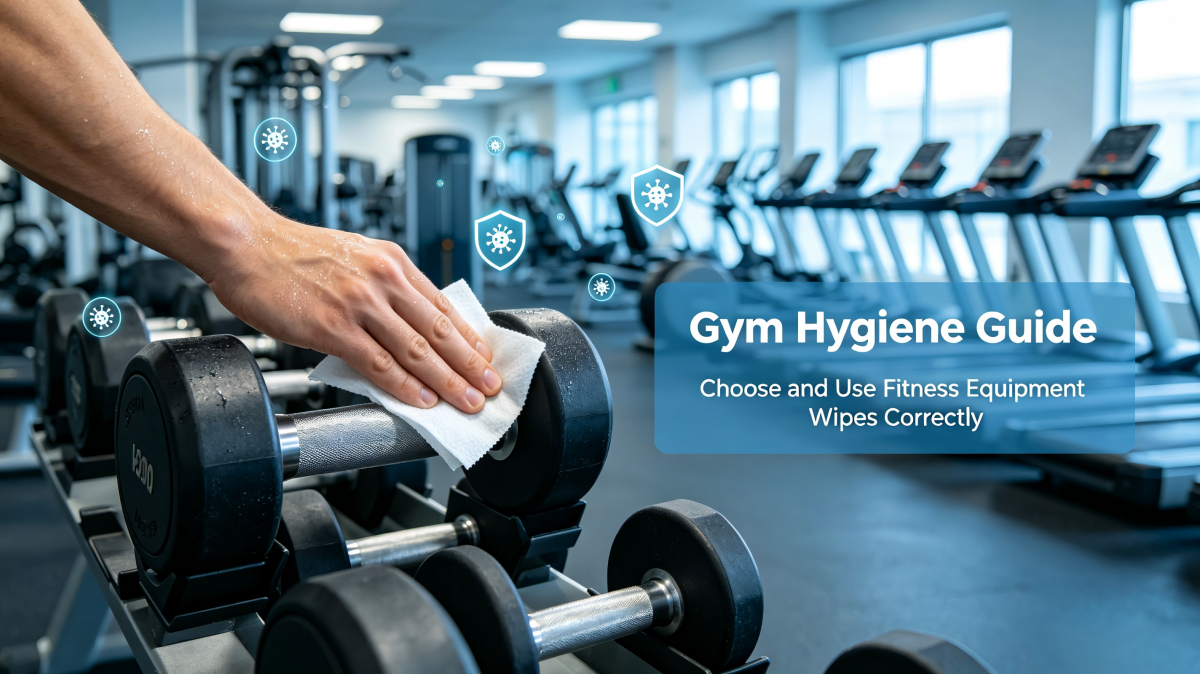
Walk into any busy gym during peak hours and you’ll notice something all members have in common—they touch dozens of shared surfaces within a single workout.
Dumbbells, barbells, treadmills, rowing machines, yoga mats, benches, and touch screens are constantly exposed to sweat, skin oils, and bacteria. While routine facility cleaning is essential, it isn’t enough to sanitize equipment between users.
That’s why professional fitness equipment wipes have become a standard hygiene solution in modern gyms.
Whether you operate a commercial fitness center, hotel gym, university sports facility, or health club, choosing the right gym equipment wipes helps improve member confidence, extend equipment life, and support a healthier workout environment.
Why Are Gym Equipment Wipes Necessary?
Shared fitness equipment experiences continuous contact throughout the day.
Sweat itself isn’t necessarily harmful, but when combined with skin cells, dust, moisture, and warm indoor conditions, equipment surfaces can become an ideal environment for microbial growth.
High-touch areas include:
- Dumbbells and kettlebells
- Treadmill handles and touch screens
- Exercise bike handlebars
- Weight machine seats
- Resistance equipment handles
- Yoga mats and stretching accessories
Providing disinfecting wipes encourages members to clean equipment before and after each use, reducing contamination between users and creating a cleaner fitness experience.
Ordinary Wipes vs. Professional Gym Wipes
Not all wipes are designed for fitness equipment.
Household cleaning wipes may contain harsh chemicals that gradually damage rubber grips, vinyl upholstery, painted metal, or electronic touch screens.
Professional fitness equipment wipes are typically designed to provide a balance between effective cleaning and equipment compatibility.
Quality fitness wipes usually offer:
- Effective removal of sweat and body oils
- Fast surface cleaning
- Material-safe formulations
- Alcohol-free or low-alcohol options
- Pleasant, non-overpowering fragrance
- Durable nonwoven fabric that won’t tear during use
For commercial gyms, large refill rolls or bulk canister wipes also help reduce operating costs.
Cleaning vs. Disinfecting: What’s the Difference?
Many people use these terms interchangeably, but they are not the same.
Cleaning removes visible dirt, sweat, and oils from equipment surfaces.
Disinfecting uses active ingredients to reduce bacteria and viruses on the surface. Most disinfecting wipes require the surface to remain visibly wet for the contact time specified on the product label before maximum effectiveness is achieved.
For gyms, both steps are equally important.
Best Practices for Using Fitness Equipment Wipes
Using wipes correctly is just as important as choosing the right product.
1. Wipe Before Exercise
Remove dust, sweat, or residue left by previous users.
2. Wipe High-Touch Areas Thoroughly
Pay special attention to:
- Handles
- Touch screens
- Adjustment knobs
- Seats
- Armrests
3. Keep the Surface Wet
If using disinfecting wipes, follow the recommended contact time provided by the manufacturer.
4. Allow the Surface to Air Dry
Avoid immediately wiping the surface dry unless instructed on the product label.
5. Dispose of Used Wipes Properly
Used wipes should be discarded in waste bins rather than flushed into toilets.
What Should Commercial Buyers Look For?
When sourcing fitness equipment disinfecting wipes for a commercial facility or private label brand, consider more than just price.
Important factors include:
- Nonwoven fabric strength
- Cleaning performance
- Disinfectant compatibility
- Fragrance options
- Packaging formats (canister, refill roll, soft pack, single sachet)
- OEM & private label capability
- Regulatory compliance for your target market
Selecting the right manufacturer ensures consistent product quality while supporting your brand’s long-term growth.
The Future of Gym Hygiene
Today’s gym members expect more than quality equipment—they expect a clean, hygienic training environment.
As fitness facilities place greater emphasis on member experience, convenient and effective equipment cleaning has become an essential part of daily operations.
Professional fitness equipment wipes not only help maintain cleanliness but also demonstrate a gym’s commitment to health, safety, and customer care.
For businesses looking to launch or expand their own gym wipes line, partnering with an experienced OEM manufacturer can help bring high-quality private label products to market efficiently.